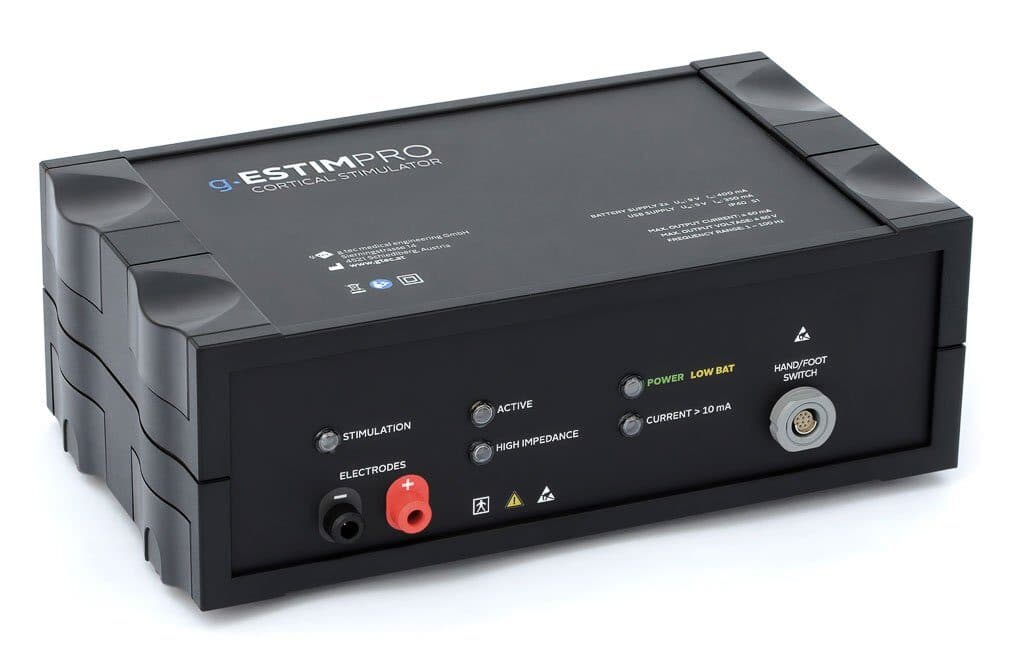
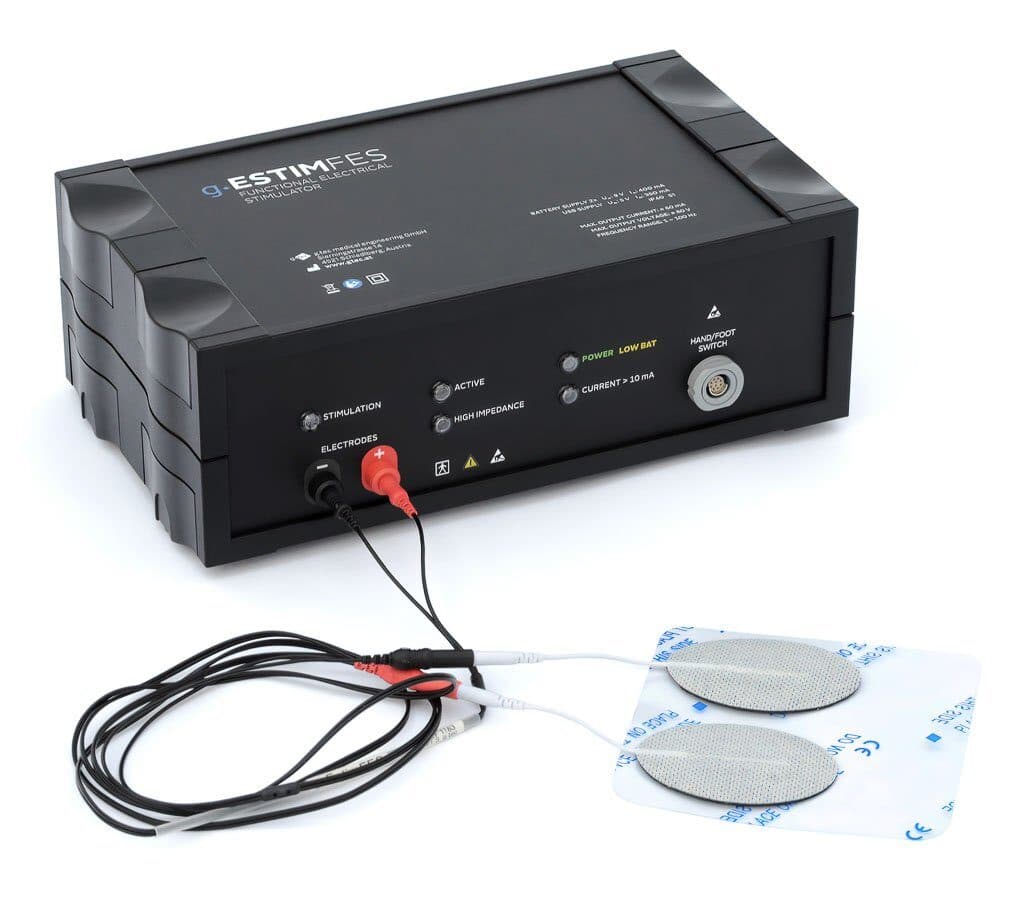
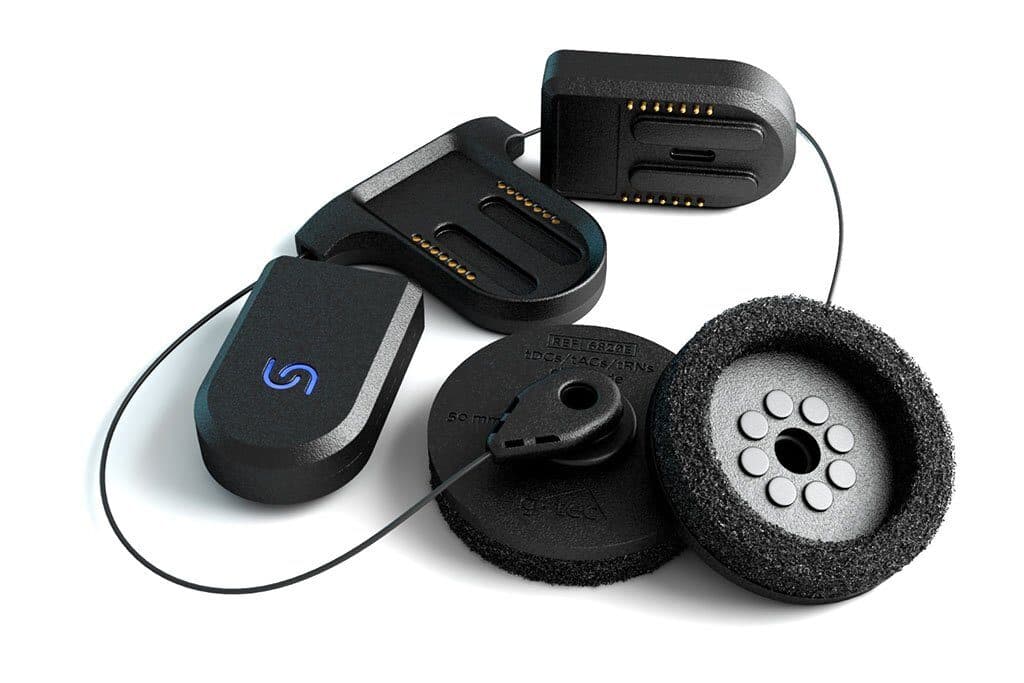
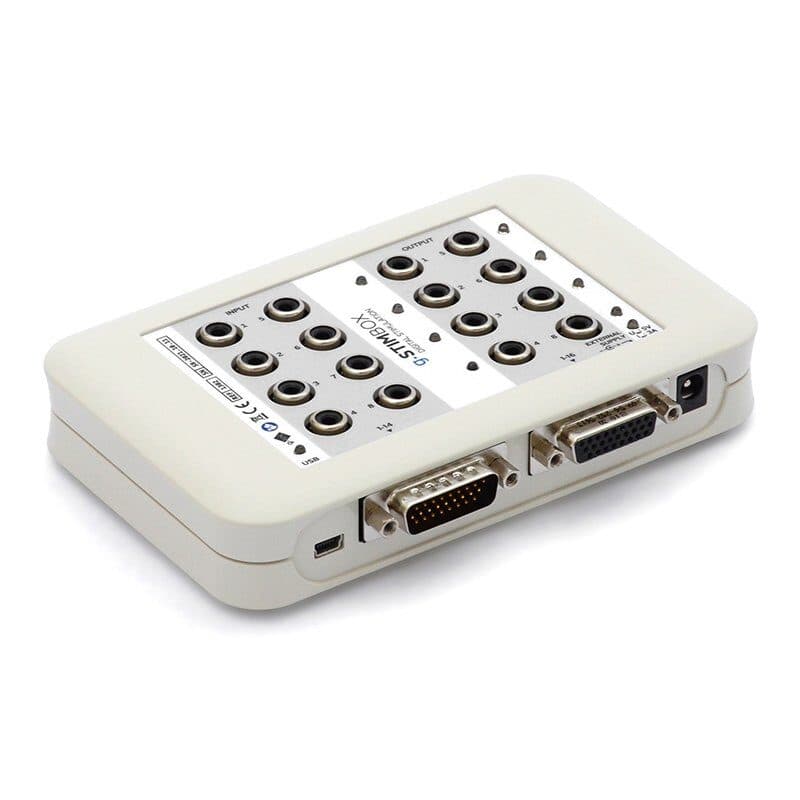
Switching unit
Choosing the stimulation electrodes from 64, 128 or 256 channels
The Switching Unit selects the electrodes that deliver the electrical stimulation and connects to g.HIamp for EEG or ECoG measurement. It disconnects g.HIamp during stimulation, can connect to clinical recording systems for 24-hour monitoring, and is controlled in real time with g.HIsys. Channel switching completes in 6 ms, and a software command's round trip takes under 30 ms.
- 64 / 128 / 256 channels
- 256 relays
- g.HIamp
- g.HIsys
Advanced impedance measurement
A wide frequency and magnitude range
The Switching Unit measures electrode impedance with high precision over a frequency range of 20–1000 Hz and a magnitude range of 1–800 kΩ. With the Impedance Measurement Tool, settings are easy to configure, results quick to review, and reports ready for publication.
- 20–1000 Hz
- 1–800 kΩ
- Publication-ready reports
Stimulation log viewer
The whole session in StimLogViewer
StimLogViewer gives a comprehensive overview of the key events and parameters of your brain stimulation sessions: stimulation sites, current amplitudes and timings, system states; in real time during the experiment or by going back to past sessions.
- Real-time monitoring
- Past sessions
- Current amplitude & timing
Simulink interface
Intracranial stimulation at 80 V
An 80 V compliance voltage makes it possible to stimulate the cortex electrically through ECoG grids, strip electrodes or depth electrodes: stimulating the somatosensory cortex to add a sense of touch to BCI-controlled robotic devices, or deep brain stimulation experiments in Parkinson's patients. Parameters such as onset time and current are set and triggered in real time from Simulink.
- MATLAB / Simulink
- Somatosensory cortex
- DBS
Clinical research
Face and colour processing in the brain
In a patient undergoing surgery for epilepsy, electrical stimulation of ventral temporal regions was used to study the specificity of colour- and face-processing areas. Stimulating colour-selective sites affected colour perception and stimulating face-selective sites affected face perception, independently; the patient reported illusory faces and illusory rainbows.
- Ventral temporal cortex
- PNAS paper