EEGVeterinary neuroscience
Exploring EEG Recordings in Alpacas with Unicorn BCI Core-8
Brain research is no longer limited to humans or laboratory rodents. Advances in non-invasive neurotechnology make it possible to study the brain activity of a far wider range of animals. Here alpacas stand out as a fascinating candidate, thanks to their calm temperament, their unique physiology and their growing role in veterinary studies.
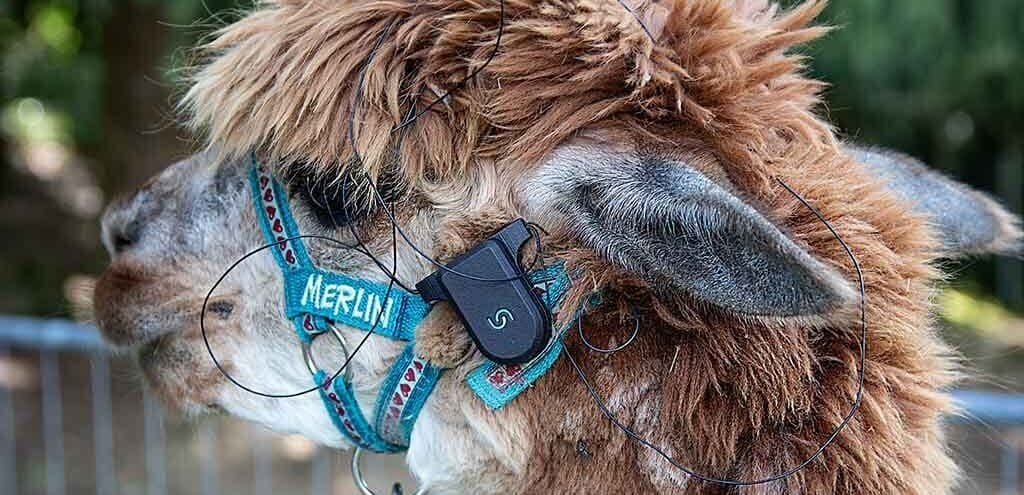
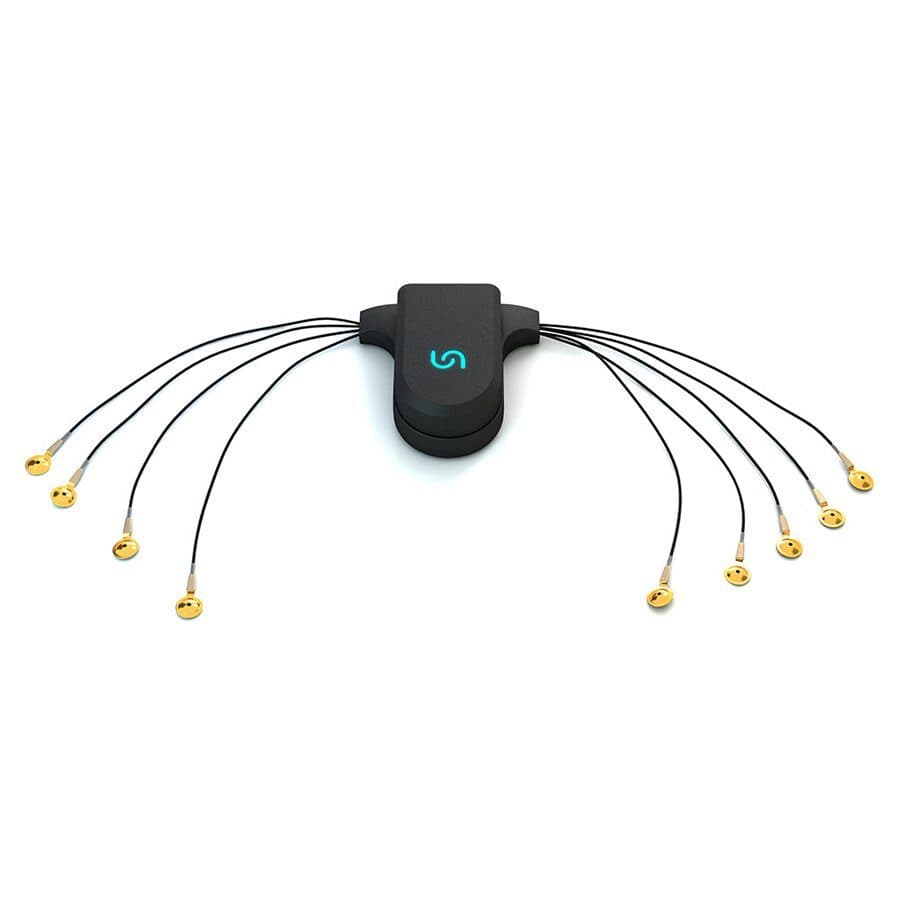
Our latest study with an alpaca named Merlin shows just how far this technology has come. Fitted with the Unicorn BCI Core-8, the device comfortably mounted on a headpiece and connected with Gold Cup electrodes, Merlin moved naturally and delivered reliable EEG signals. Thanks to the OSCAR LIVE software plug-in, movement artefacts were suppressed automatically, and clean, real-time EEG data were obtained even while Merlin was walking.
Why Study EEG in Alpacas?
Although alpacas have been studied less than pigs or primates, they offer valuable insights for both veterinary care and comparative brain science. EEG recordings create opportunities in many areas:
- Comparative Cognition
- From sensory responses to learning behaviours, alpacas help us understand mammalian neural processing from a broader perspective.
- Veterinary Practice
- EEG monitoring during anaesthesia or medical treatment brings precision and safety for these animals.
- Welfare Research
- Brainwave recordings reveal levels of stress, relaxation or discomfort, supporting better animal management.
- Neurological Models
- Like other large mammals, alpacas may serve as models for certain neurological conditions, opening paths for translational research.
- Behavioural Studies
- EEG lets researchers observe how brain activity changes during natural activities such as grazing, walking or interacting with people.
Unlike MRI or invasive techniques, EEG is lightweight, affordable and, above all, suited to real-world conditions.
The Role of Unicorn BCI Core-8
Unicorn BCI Core-8 was designed with flexibility and mobility in mind. For animal EEG applications such as Merlin’s, these features stand out:
- High-Resolution Signals
- 24-bit precision delivers clear recordings.
- Fully Wireless
- Bluetooth 5 connectivity and a battery life of 6+ hours allow uninterrupted data collection.
- Adaptable Electrodes
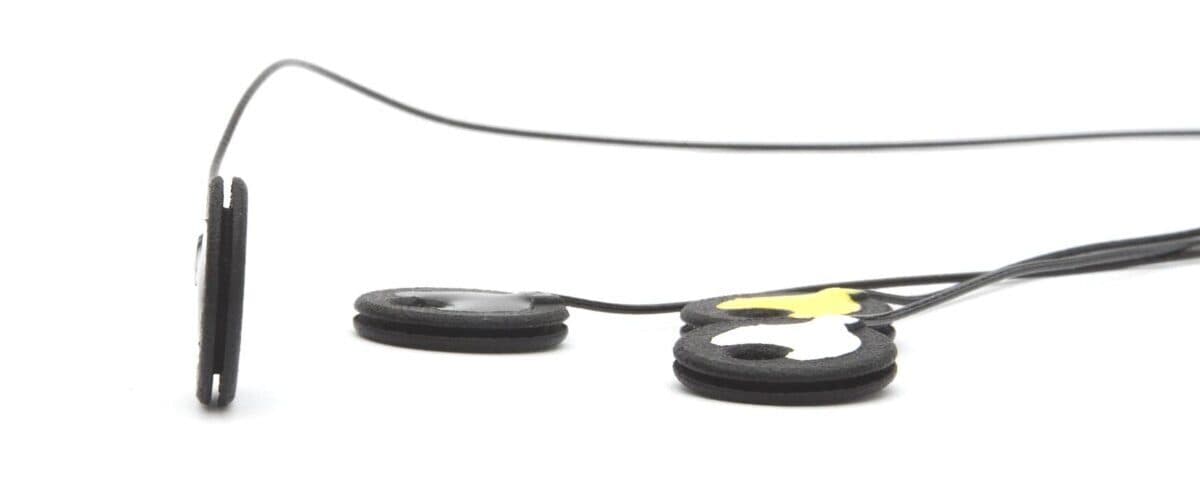
- Gold Cup electrodes are easy to apply through fur; hybrid options allow both wet and dry recordings.
- Instant Processing
- With OSCAR LIVE, artefacts caused by movement are filtered out instantly.
- Ultra-Light
- Weighing just 23 grams, the device can be worn comfortably without restricting the animal’s movement.
These features make Unicorn BCI Core-8 not just an amplifier but a versatile research platform for veterinary and neuroscience projects.
A First Step with Merlin
Merlin’s EEG recordings show what becomes possible when modern brain–computer interface technology is taken beyond the laboratory. The clean real-time brain data obtained while the alpaca moved naturally show how far veterinary EEG has advanced.
With tools such as Unicorn BCI Core-8, researchers can now freely explore the brain activity of alpacas and other animals in their real environments. This paves the way for breakthroughs in veterinary care, welfare monitoring and comparative neuroscience.
Merlin’s contribution is only a starting point: proof that high-quality EEG need not be limited to humans or controlled laboratory conditions. The future of animal neuroscience is already taking shape — one alpaca brainwave at a time.