BiosignalsCurious facts
5 Facts You Probably Didn’t Know About Biosignals
Biosignals have a fascinating side beyond the lab and the clinic. Here are five facts that may surprise you.
Biosignals are produced constantly, both around us and within us. They are how researchers understand how the body works in real time. But biosignals have an interesting side outside the lab as well. Here are five facts that may surprise you.
Your skin “speaks” before you do
Electrodermal activity (EDA) measures tiny changes in the electrical conductance of the skin. These changes often reflect emotional and stress responses. This is exactly what lie detectors are built on: your skin reacts far faster than the words leaving your mouth.
Brainwaves can control machines
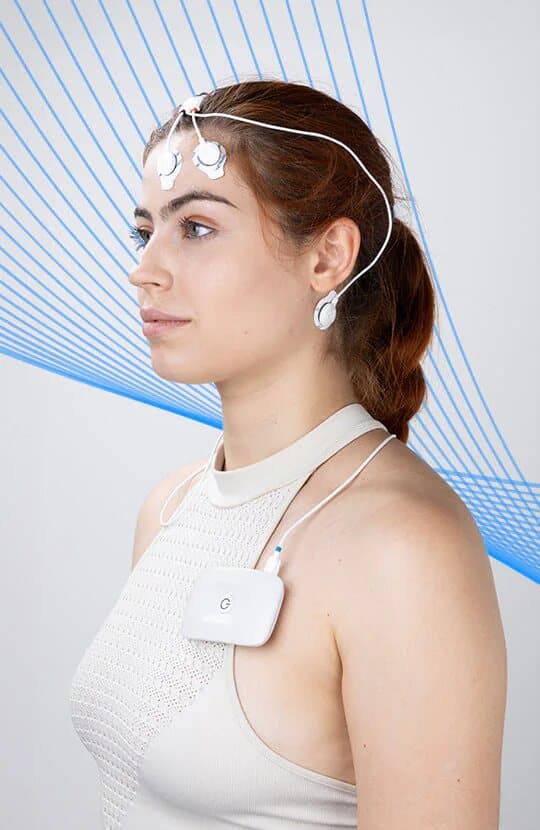
EEG signals make it possible to steer devices by the power of thought alone. Brain–computer interfaces work on this principle, allowing people with motor impairments to use systems such as computers and wheelchairs.
Your heart never beats at exactly the same pace
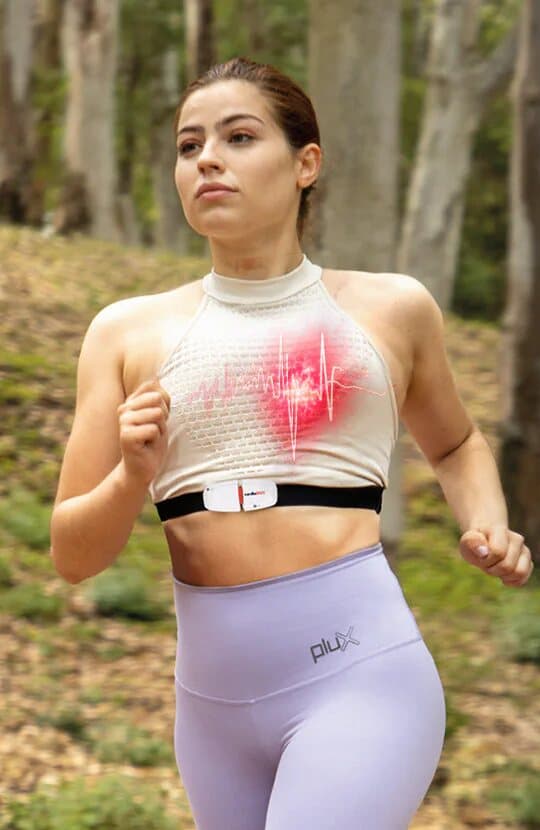
Even while you rest, your heart speeds up and slows down slightly with every beat. This natural beat-to-beat fluctuation is called heart rate variability (HRV); it is closely linked to stress levels, physical fitness and emotional balance. In general, a high HRV is taken as a sign that the body is more resilient and ready to recover.
Muscle signals can sometimes be captured without touching the skin
With the right equipment, EMG sensors can in some cases detect muscle activity even through clothing. This is a great convenience, especially in sports studies carried out in real field conditions and in prosthesis development.
Breathing signals give away sleep patterns
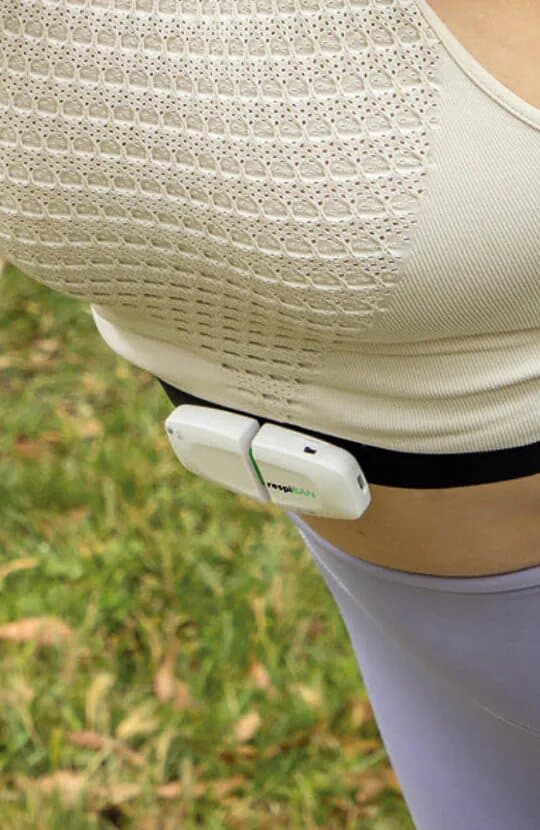
Breathing rhythm is used in sleep research to track sleep stages, detect disorders such as sleep apnoea, or study the effect of relaxation techniques. In other words, how you breathe can map out how you spent the night.