BiosignalsBiosignal guide
What Are Biosignals, and Why Do They Matter So Much in Research and Health?
From the outside the body looks silent, yet inside a measurable “conversation” goes on without pause. The data the body produces in this way is what we call biosignals.
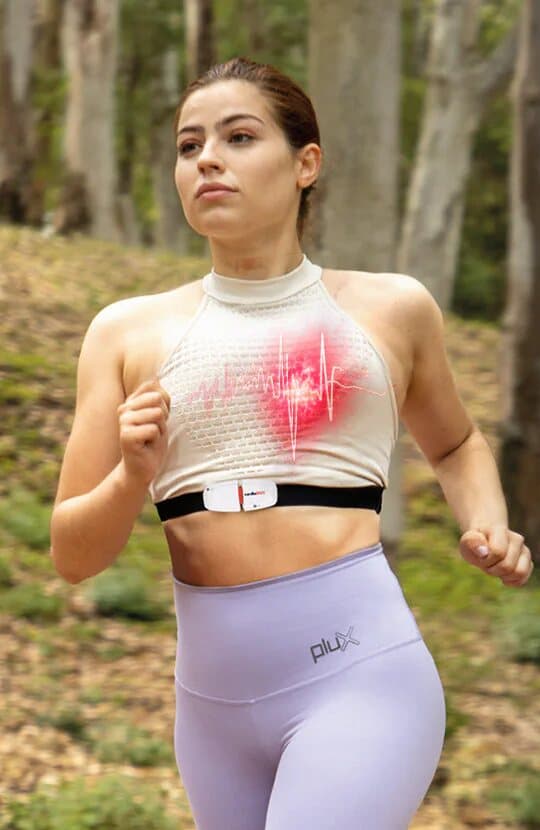
Seen from the outside, the human body looks silent. Yet inside, a “conversation” goes on without pause: the heart beats, muscles contract, the brain produces signals, the skin sweats. All of this physiological activity leaves measurable data behind. The measurable data the body produces in this way is what we call biosignals.
Biosignals can be electrical, chemical, optical or mechanical in origin. What they have in common is that they carry concrete information about how the body is working at that moment. By reading these signals, researchers and health professionals study the body, monitor health and develop better tools for diagnosis and treatment.
The main types of biosignal
Each signal tells a different story about the body. The most commonly used types are:
- EMG
- Measures the electrical activity of muscles. Widely used in physiotherapy, ergonomics and robotics research.
- ECG
- Tracks the electrical activity and rhythm of the heart.
- EEG
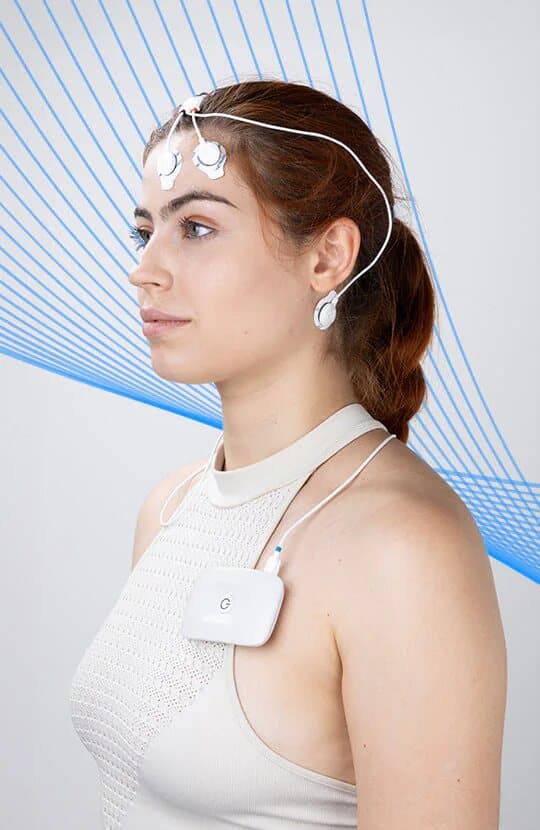
- Records brainwaves. The foundation of neuroscience and brain–computer interfaces.
- EDA
- Measures changes in the conductance of the skin; used to study stress and emotional responses.
- Respiration / Motion
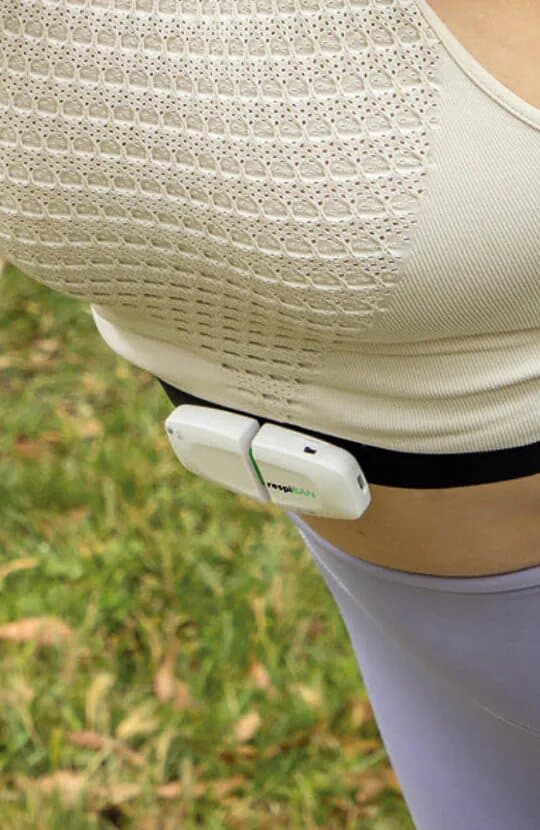
- Offers valuable clues in sports science, sleep research and ergonomics.
When different signals from the same person are brought together, a far more complete picture of physiology emerges.
Why do biosignals matter?
Their greatest contribution is making the invisible measurable. Saying “I felt tense” is subjective, whereas heart rate variability or skin conductance data is objective and real-time. This objectivity radically changes things in many fields:
- Neuroscience
- Understanding how the brain responds to different tasks.
- Rehabilitation
- Tracking recovery with objective data.
- Sports science
- Monitoring performance and fatigue objectively.
- Mental health
- Capturing patterns associated with anxiety and stress.
- Interaction
- In human–computer interaction, enabling systems to respond to the user’s physiological state.
Biosignals are also the driving force behind the wave of wearable technology that stretches from research devices to everyday health trackers.
The challenges of working with them
Collecting biosignals is not always easy. Signals are highly sensitive to movement, ambient noise and incorrect sensor placement. Two things are essential for an accurate result: good-quality measurement equipment and a carefully designed experimental set-up. Wireless recording, data backup and smart sensors that adapt to changing conditions make a big difference here.
The future of biosignal research
As technology gets smaller and smarter, biosignals are moving out of the laboratory. Personalised health monitoring and research in real-world conditions are now possible. From brain activity to heart rhythm patterns, every signal brings the picture of human physiology one step further into focus.