Skip to content
Application field · EEG and brain–computer interfaces

Brain–Computer Interfaces (BCI)

Motor imagery · P300 · SSVEP

Run closed-loop BCI experiments with motor imagery, P300 and SSVEP paradigms. For research on communication, neurorehabilitation and neurocognitive control, g.tec offers a comprehensive research ecosystem that supports every major BCI approach.

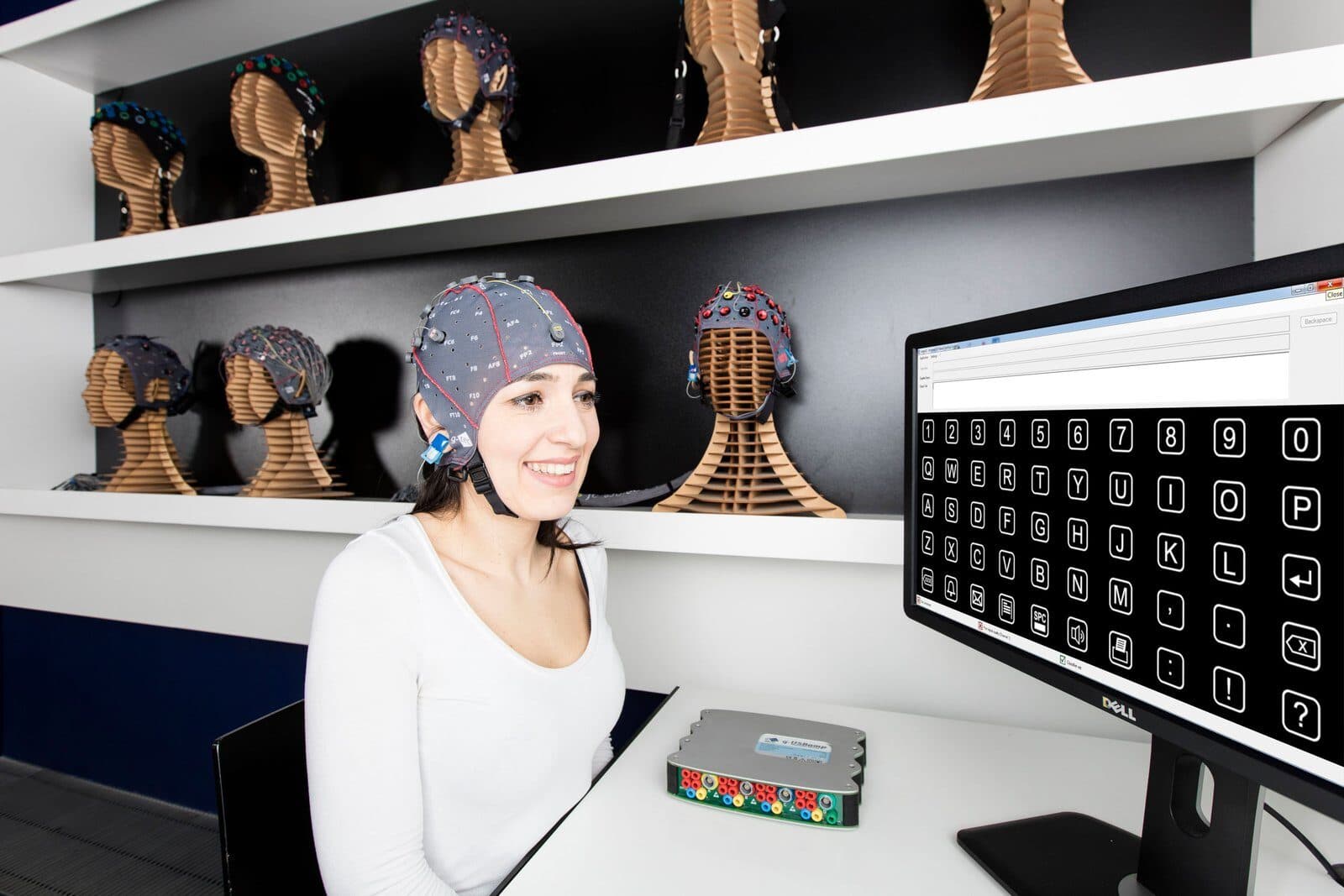
A woman in an EEG cap in front of a P300 speller screen
What is the g.tec BCI system?

The bridge between brain and computer.

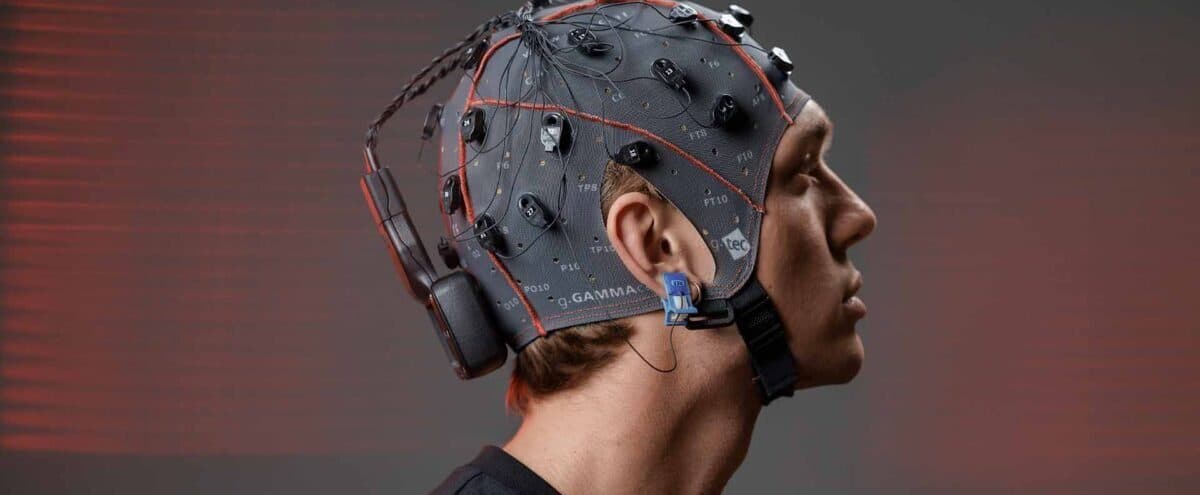
The g.tec BCI system is a complete platform that turns the electrical activity of the human brain into computer commands. Brain signals recorded with EEG or ECoG are analysed in real time and used to control objects, spell letters, open doors and manage daily activities. It increases the independence of people with restricted movement and gives patients with locked-in syndrome and disorders of consciousness a way to communicate.

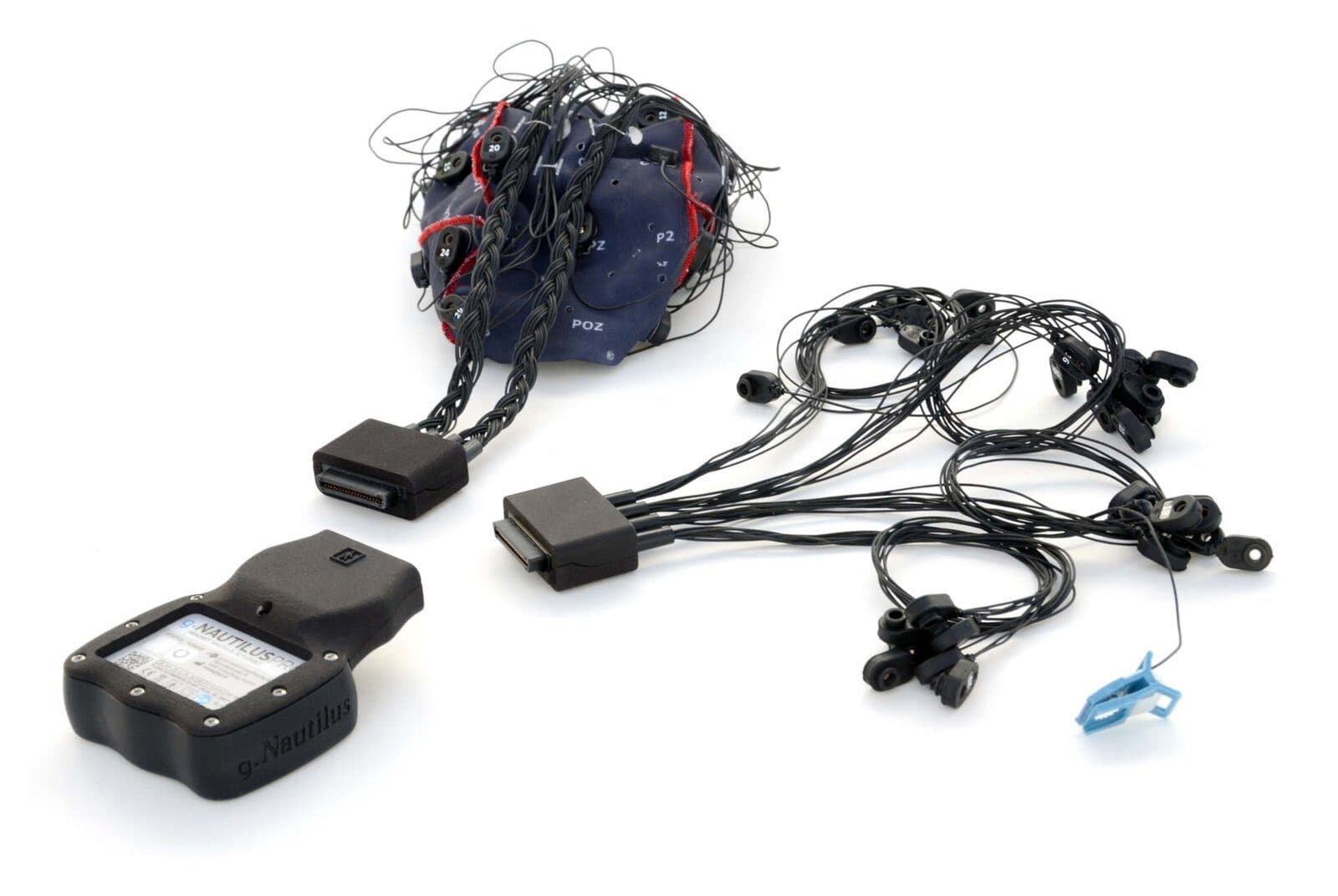
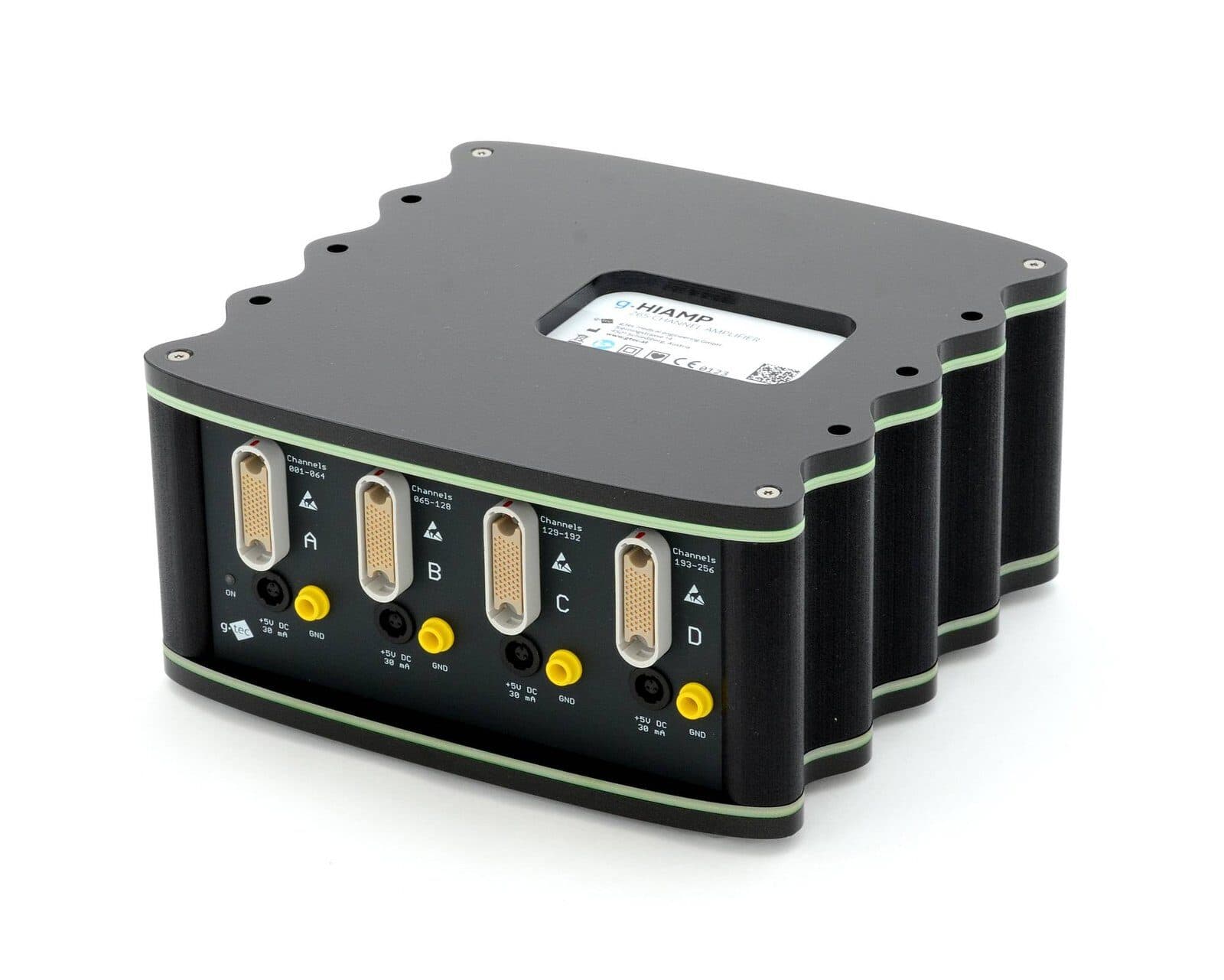
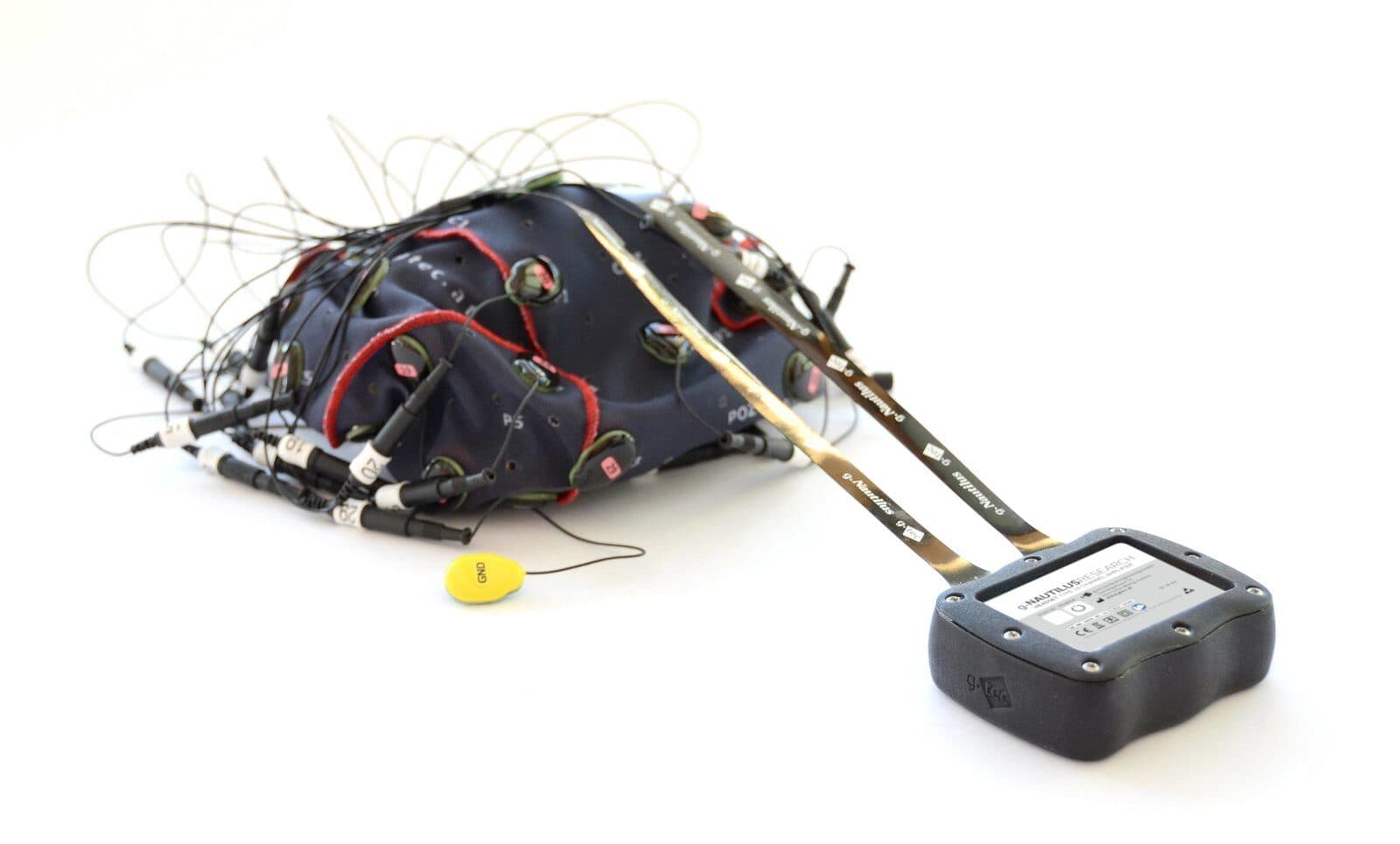
The MATLAB/Simulink-based real-time processing environment lets you set up closed-loop experiments and neurofeedback applications within hours. It works with g.USBamp, g.HIamp or g.Nautilus.
Motor imagery and the smart home

Motor imagery (MI) BCI.

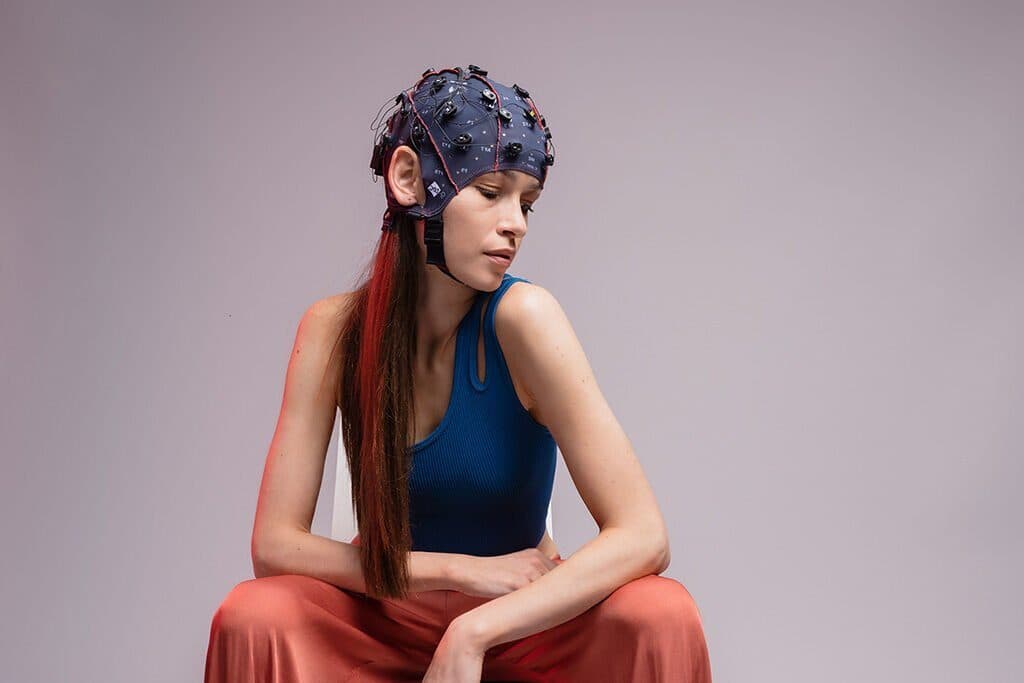
The user imagines moving the right or left hand, the feet or the tongue, and the system classifies the resulting EEG mu/beta rhythms. High-accuracy decoding of motor intention with the CSP (Common Spatial Patterns) algorithm. The gold-standard paradigm in stroke rehabilitation and neuroprosthesis control.

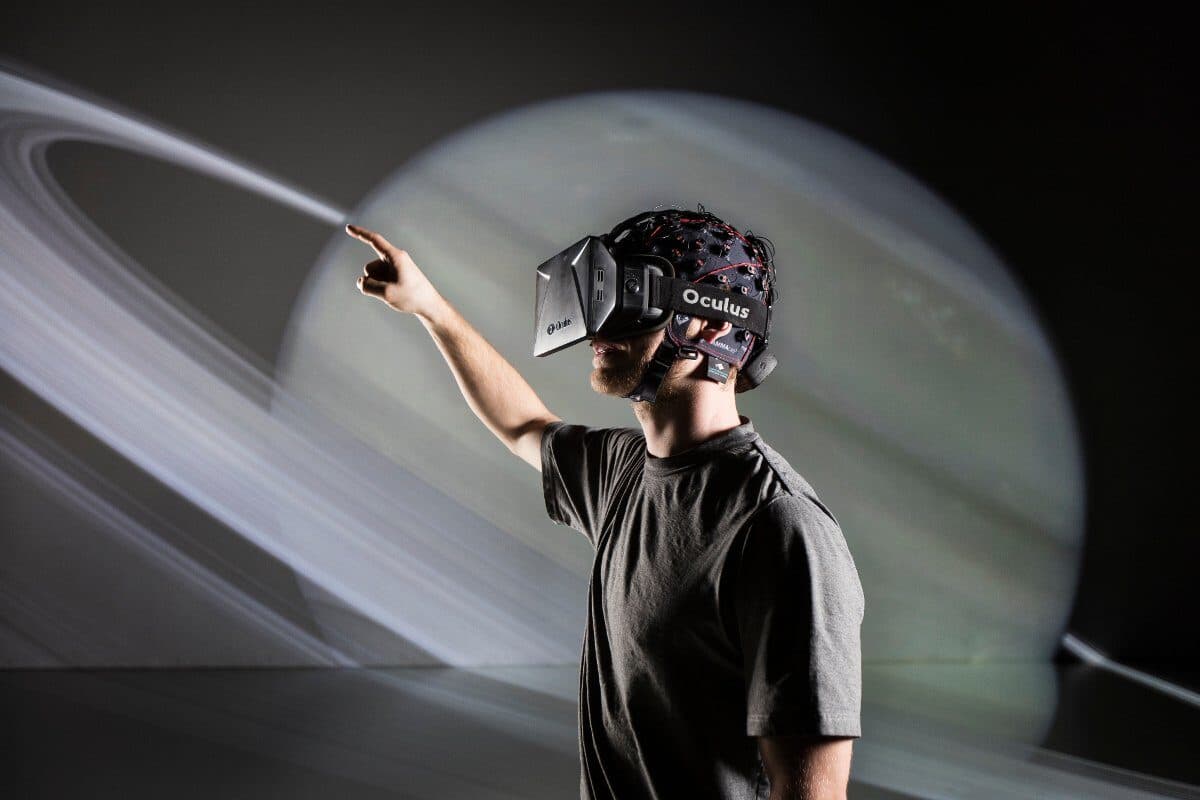
The BCI system also connects to a VR system that presents a three-dimensional virtual model of a smart home. With EEG, users can watch TV, play music, open doors and control the heating.

  • Motor Imagery CSP toolbox
P300-based BCI

Spelling by counting silently.

Target selection with visual, auditory or vibrotactile stimuli. Communication at one character per second with the P300 speller. Medical device applications for patients with ALS and locked-in syndrome; performance proven in hundreds of clinical studies.

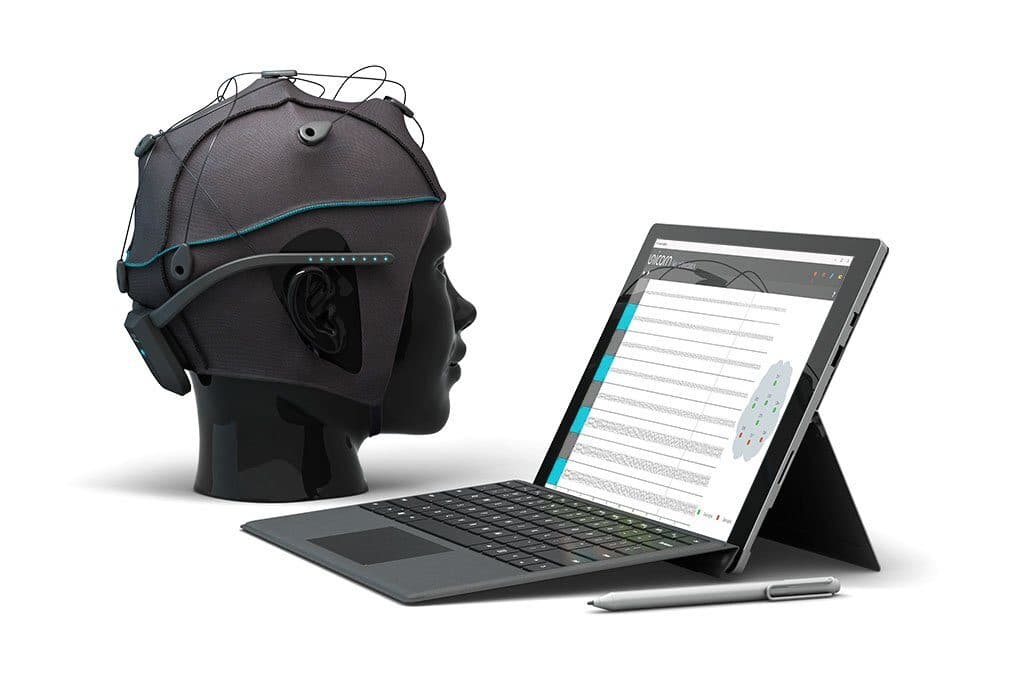
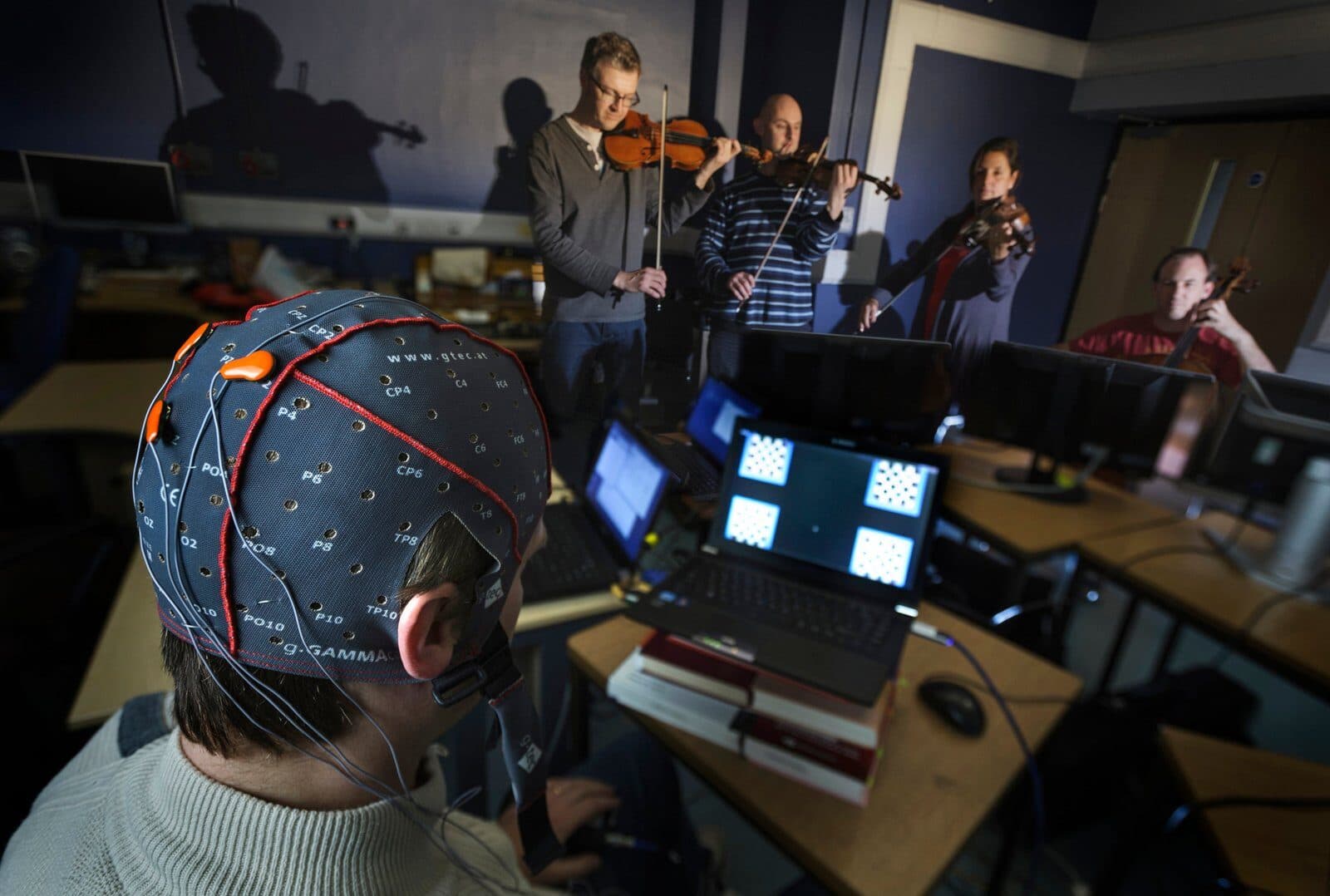
The P300 paradigm presents 36 characters on screen as a 6×6 matrix. The characters flash in random order while the user silently counts the flashes of the one they want to spell. When that character flashes, a P300 component appears in the brain 300 ms later. The visual P300 speller is also available as a ready-made application through Unicorn Suite.

  • Visual P300 toolbox
The SSVEP paradigm

SSVEP and cVEP paradigms.

Information transfer rates of up to 100 bits per second with steady-state visual evoked potentials. A zero-class approach that needs no calibration. Ideal for scenarios that demand a high ITR, such as smart home control, in-vehicle systems and VR applications.

SSVEP-based BCIs use light sources flickering at different frequencies. When the user looks at one light, EEG activity over the occipital lobe rises at that frequency. When the user looks at no light, the system automatically switches to “no control” mode.

  • SSVEP toolbox
Robot and external device control

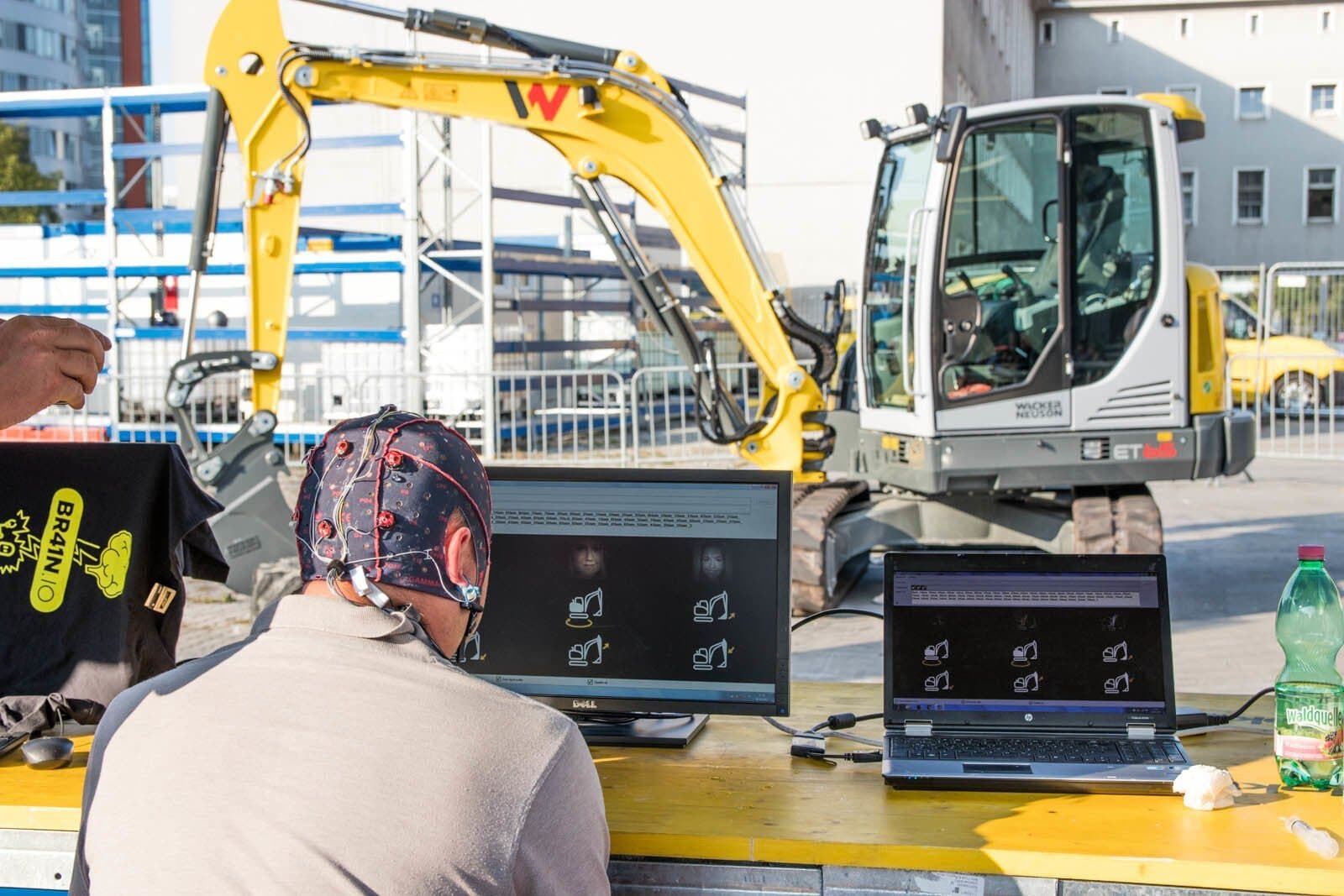
Robots, wheelchairs and an excavator, controlled by thought.

Control of robotic arms, wheelchairs, drones and exoskeletons with EEG signals. Leading robotics labs around the world, such as the Hiroshi Ishiguro Lab in Japan, use g.tec BCI systems. A Simulink-based real-time control interface.

With code-based BCI (cVEP), a real excavator was controlled live at the Ars Electronica Festival. Through the SOCI module, control icons can be integrated into external applications such as Unity.

  • cVEP and Simulink integration
The g.tec BCI software environment

14 ready-made BCI toolboxes.

The MATLAB/Simulink-based g.tec BCI environment provides every paradigm as a ready-made toolbox, so an experiment is set up in hours rather than months.

  • Motor Imagery CSP
  • Motor Imagery CSP + FES
  • Code-based BCI (cVEP)
  • SSVEP
  • Hybrid BCI
  • Visual P300 Speller
  • Vibro-tactile P300
  • EMG & EOG Control
  • Hyperscanning
  • VR / AR applications
  • fNIRS BCI
  • Ping Pong BCI
  • Fusiform Face Area
  • ECoG / invasive BCI
More applications

Other BCI studies you can run with g.tec.

The g.tec BCI environment supports many other areas of research as well.

Systems

The systems we recommend for this field.

Blog

Further reading

EEG and brain–computer interfaces
Contact

Let's build your BCI lab together.

Draw on g.tec's more than 30 years of BCI experience. Let's work out together the system configuration, the choice of toolboxes and the installation plan that best fit your research.

Request a quote

Call us +90 554 381 46 20Serving all of Türkiye · reply within 24 hours on working days